Reporting note: this article draws on Sky Sports; Score808 Live provides the summary and editorial framing.
FIA Software Patch and Drainage Dilemmas Reshape the Grid
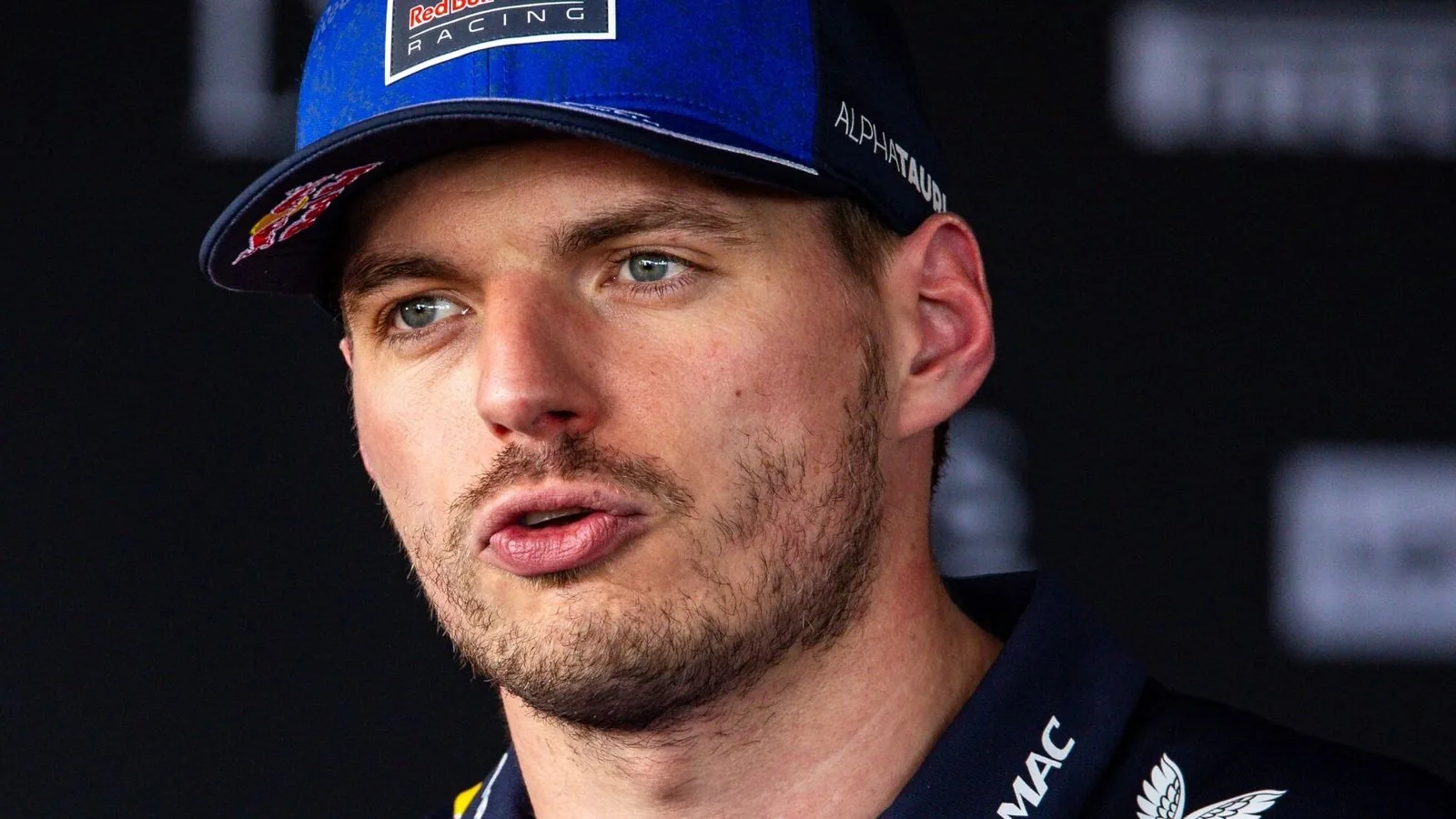
Max Verstappen secured his first victory of the season and delivered the maiden win for the Red Bull-Ford power unit in a chaotic Bahrain Grand Prix held in Malaysia. The race was heavily disrupted prior to lights-out when an unexpected rain cell forced a suspension of the start procedure, triggering a technical fault across multiple powertrains and establishing a deceptive track surface that compromised several front-running strategies.
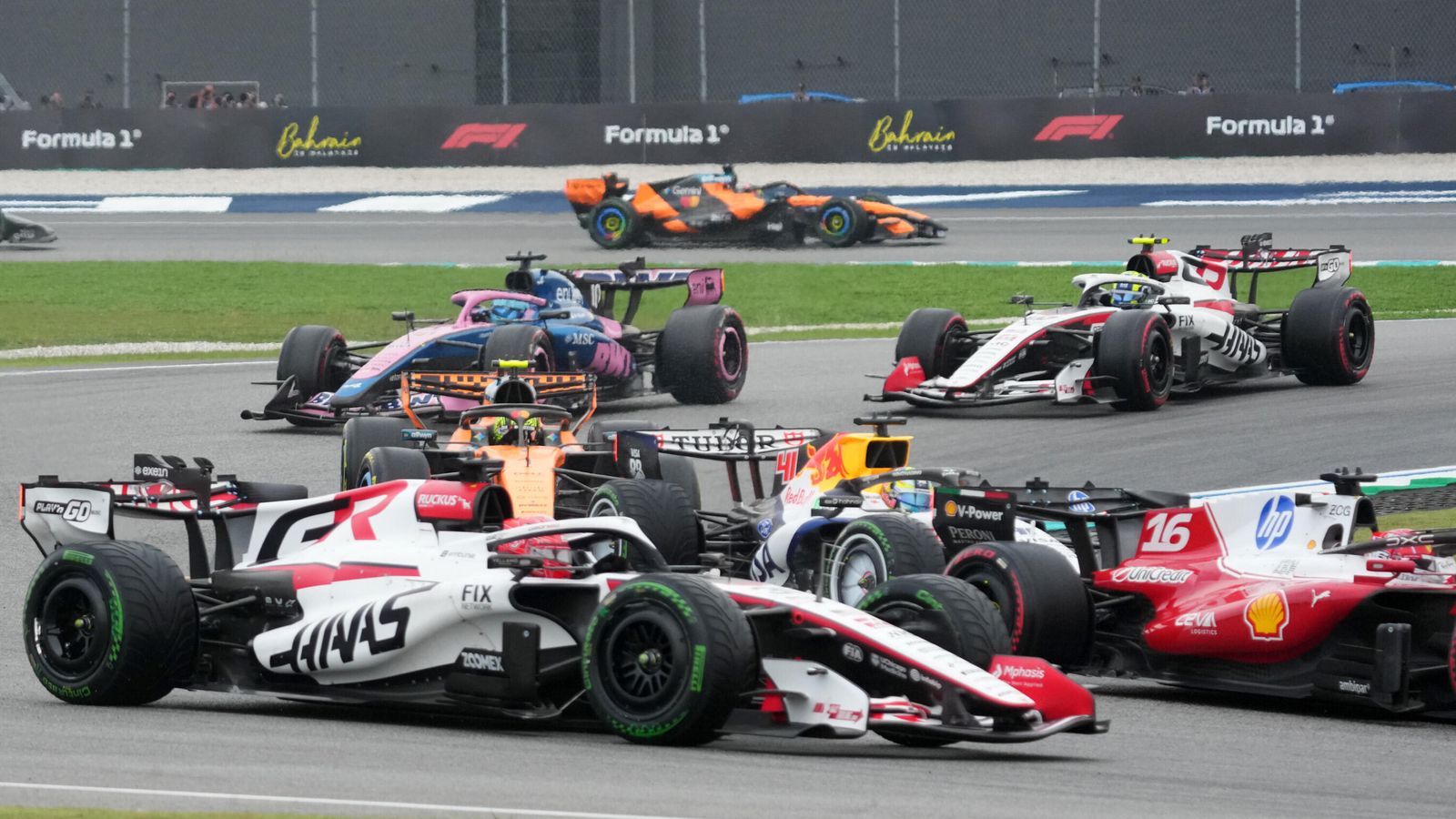
During the initial formation laps behind the Safety Car, standard FIA electronic control units failed to calculate power delivery parameters under extreme low-speed conditions below 50 km/h. The resulting software lockouts shut down engines across Ferrari, Red Bull Powertrains, and McLaren machinery, scattering cars across the circuit and forcing a red-flag recovery to the pit lane. The governing body deployed an emergency software patch to modify operating parameters, resetting the field to its original grid order after a 40-minute stoppage.
Asphalt Degradation and Tyre Crossover Dynamics
When the race resumed with a standing start, teams faced conflicting thermal and moisture data. While the pit straight appeared dry, the heavily weathered and unresurfaced asphalt retained deep moisture within its micro-texture, behaving like a sponge and drastically delaying the transition phase to dry running.

- The Slick Gamble: Ferrari and McLaren committed split strategies, placing Lewis Hamilton and Lando Norris on slick dry tyres. It required nine full laps for slick compounds to match intermediate pace, by which point slick runners trailed the leaders by over a minute.
- Intermediate Control: Verstappen and Mercedes teammates Kimi Antonelli and George Russell capitalized on intermediate grip to establish a commanding early gap at the front.
- Hamilton's Tyre Recovery: Hamilton mitigated the strategic deficit by running his starting soft compound tyres for 31 consecutive laps without pitting during an early Safety Car period caused by Valtteri Bottas's stranded Cadillac, reclaiming critical track position as the surface stabilized.
Late Attrition Shifts the Standings
Mechanical failures and procedural incidents dictated the final stint following a lap-42 Safety Car intervention to recover Alexander Albon’s Williams at Turn 3. During the neutralization, Russell suffered a catastrophic Mercedes power unit failure, forcing his retirement from podium contention.
In the compressed pack behind the Safety Car, Norris misjudged the closing rate on teammate Oscar Piastri under braking for Turn 1, taking an evasive detour through the gravel trap that dropped him to a ninth-place finish. Verstappen controlled the final restart to seal the win ahead of championship leader Antonelli, while Hamilton and Charles Leclerc capitalized on Russell's retirement and Isack Hadjar's late-race power deficit to finish third and fourth for Ferrari.
Antonelli expanded his Drivers' Championship advantage to 84 points over his title rivals, while Red Bull's first and fifth-place finishes reduced McLaren's advantage in the Constructors' Championship to 18 points heading into the next rounds.