Reporting note: this article draws on Sky Sports; Score808 Live provides the summary and editorial framing.
Strategic Rationale Under Pressure
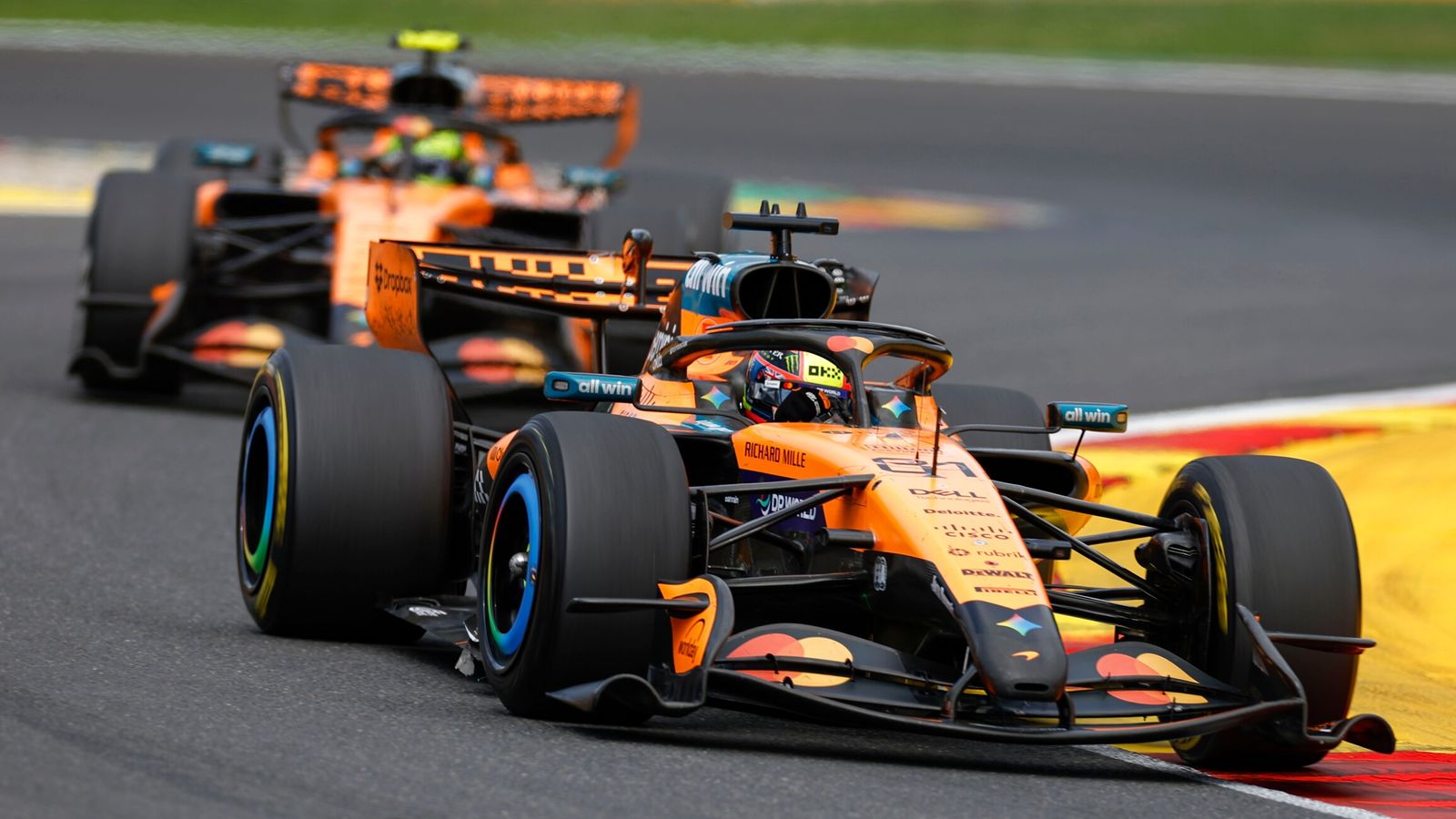
McLaren team principal Andrea Stella has defended the team's tactical decisions during the Hungarian Grand Prix, following internal friction between drivers Oscar Piastri and Lando Norris. The team faced a critical juncture during the second round of pit stops, where the threat of an undercut from Lewis Hamilton necessitated immediate action to protect track position.
Stella explained that the decision to pit Piastri first was a defensive measure against Hamilton’s pace, rather than a preference for one driver over the other. While Piastri initially voiced frustration over the radio—compounded by a collision with the Williams of Carlos Sainz—he later conceded that the pit timing was a necessary response to the race situation. The team maintained that their priority was securing the victory for the McLaren package, noting that Norris’s subsequent pace on used tires was the deciding factor in the final outcome.
Collision and Accountability
The race was further complicated by a collision between Piastri and Carlos Sainz. Piastri, who was forced to retire later due to a gearbox failure, criticized the lack of awareness regarding blue flags. Sainz defended his position, citing confusion with blue-flag signals and his own battle with Fernando Alonso, but Piastri dismissed these claims, suggesting the incident reflected a broader issue with Sainz’s on-track conduct.
Looking Ahead
Despite the radio volatility, Stella praised both drivers for adhering to the team’s racing principles. McLaren continues to evaluate its internal communication protocols to manage high-stakes strategic shifts. The team will look to carry this momentum into the remainder of the season, with the next event scheduled for the Dutch Grand Prix from August 21-23.