Reporting note: this article draws on Sky Sports; Score808 Live provides the summary and editorial framing.
Power Unit Software Glitch Paralyzes Grid in Wet Conditions
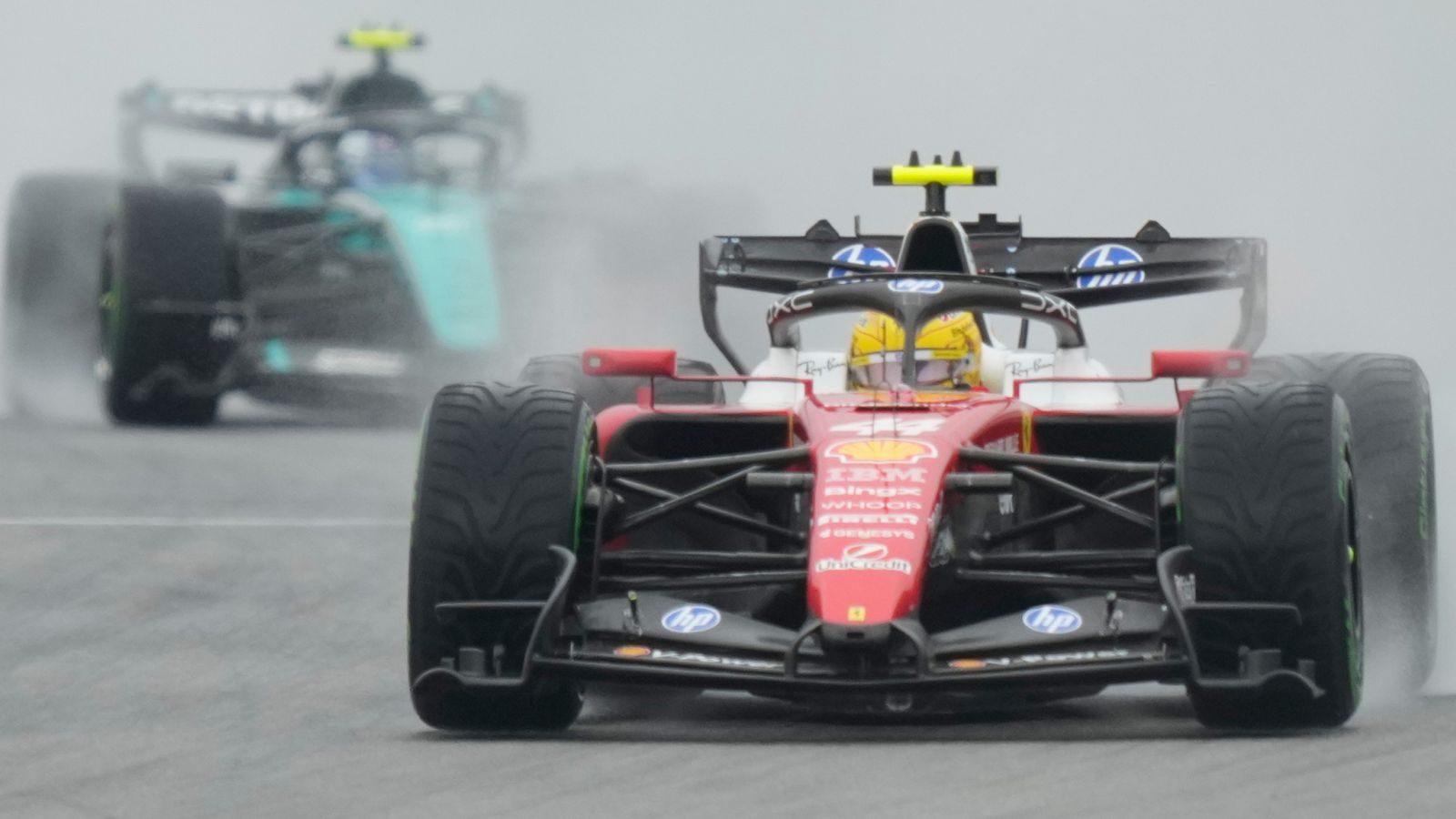
Formula 1's governing body is facing mounting criticism after a severe software glitch compromised the start of the race at Sepang. With the grid rolling out on a rain-soaked track, an unforeseen interaction within the technical architecture caused multiple cars—including those of race leader Max Verstappen and Ferrari's Lewis Hamilton—to lose power and slow to a crawl on the formation lap.
Under the current technical regulations, Formula 1 power units rely on roughly 50 percent electrical output. The FIA confirmed that a confluence of low engine speeds, low grip levels, wet-weather energy-management maps, and the specific profile of the Sepang circuit triggered an unexpected power-delivery failure. The smell of hot brake dust and stagnant race-fuel fumes hung over the grid while the start was aborted, leading to a stoppage of roughly 40 minutes while an emergency software patch was distributed.
Simulations and Preventative Oversight Questioned
Speaking on Sky Sports F1's The F1 Show podcast, commentator David Croft labeled the breakdown a "farce," pressing the governing body on its pre-season testing and preparation protocols. Croft highlighted that the paddock had completed extensive dry running during pre-season testing in Barcelona and Bahrain, leaving the FIA ample opportunity to model extreme operating parameters.

"We've had dry weather all the time, so we've had plenty of time to simulate this, to stop it happening in front of hundreds of millions of people during the course of a race. This falls on the FIA. You are supposed to have the upper hand when it comes to these rules and regulations, the directives, the power units and everything."
FIA single-seater director Nikolas Tombazis acknowledged that the control software had not been subjected to adequate simulation under the specific wet-weather conditions present at Sepang. While the federation deployed an emergency software fix within 20 minutes of the delay, the failure to identify the mapping bug during earlier shakedowns or reconnaissance laps has forced the FIA to open a formal review alongside power-unit manufacturers.
Championship Outlook Moving to Singapore
Despite the start disruption, the race produced intense on-track battles once running resumed. Verstappen managed the mechanical demands of the drying track to claim victory, followed by Kimi Antonelli in second and Hamilton recovering to finish third.
The paddock now shifts directly to the Marina Bay Street Circuit for the Singapore Grand Prix Sprint weekend, where tight street layout tolerances and high humidity will place fresh demands on power-unit software stability and hybrid energy harvesting.