Reporting note: this article draws on BBC Sport; Score808 Live provides the summary and editorial framing.
A Decade of Structural Change
The 2016 UEFA European Championship serves as the definitive inflection point for the Football Association of Wales (FAW). Following a 58-year absence from major tournament competition, the national team’s performance in France dismantled historical performance barriers and initiated a systemic shift in both on-pitch expectations and organizational funding.
Key Tactical Events of the 2016 Campaign
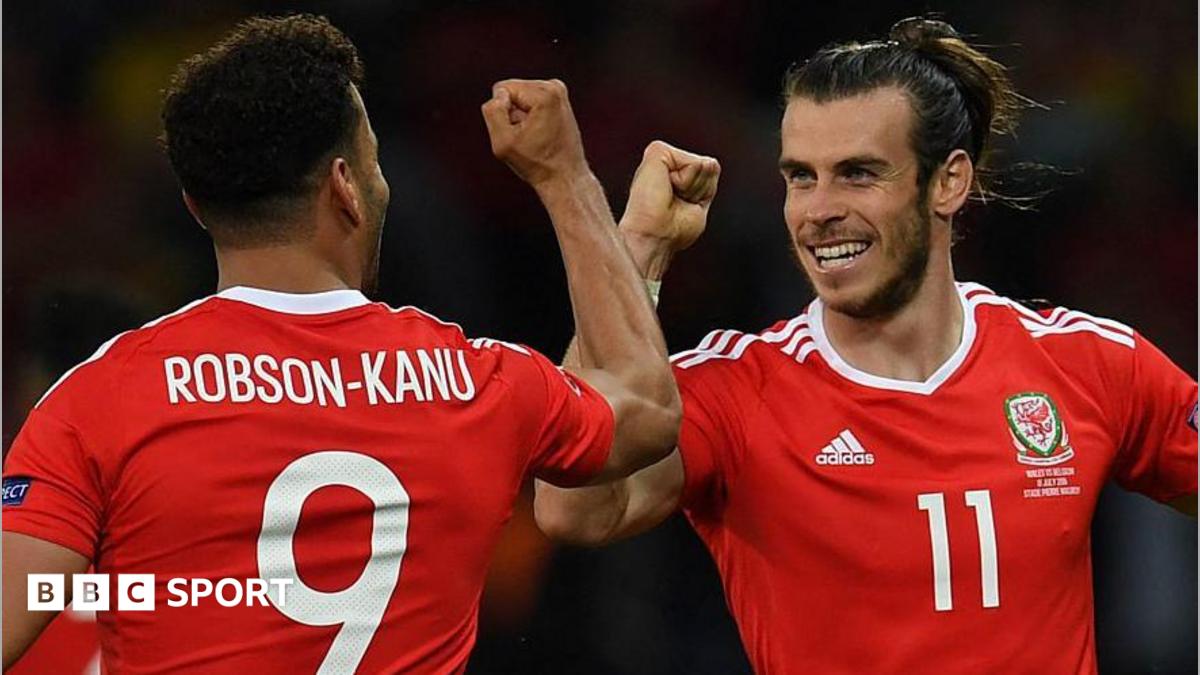
- Opening Fixture (Bordeaux): Wales defeated Slovakia 2-1. Hal Robson-Kanu secured the result with a late strike following a Gareth Bale free-kick.
- Group Stage (Toulouse): A 3-0 victory over Russia. Tactical dominance was evidenced by a 2-0 lead within the first 20 minutes, featuring goals from Aaron Ramsey, Neil Taylor, and Gareth Bale.
- Round of 16 (Paris): A 1-0 win against Northern Ireland, decided by a Gareth McAuley own goal.
- Quarter-Final (Lille): Wales defeated Belgium 3-1. Despite an early deficit, the team executed a tactical recovery, highlighted by Robson-Kanu’s individual effort and a Sam Vokes header.
- Semi-Final (Lyon): The campaign concluded with a 2-0 defeat to Portugal.
Financial and Institutional Impact
The revenue generated from the 2016 tournament provided the FAW with the necessary capital to restructure its development strategy. Former CEO Jonathan Ford confirmed that tournament participation enabled increased investment across grassroots and women’s football. This financial influx facilitated the professionalization of the women’s national team, which subsequently qualified for Euro 2025.
Legacy and Future Outlook
The 2016 tournament replaced historical cycles of failure with a new baseline of expectation. This shift in mentality contributed to the team’s qualification for the 2022 FIFA World Cup. Current focus for the FAW remains on sustaining this momentum, with the women’s squad targeting their first World Cup appearance and the men’s team adjusting to the competitive pressures of post-2016 standards.