Reporting note: this article draws on Sky Sports; Score808 Live provides the summary and editorial framing.
Lap-Time Deficit Dictates Verstappen Retention Strategy
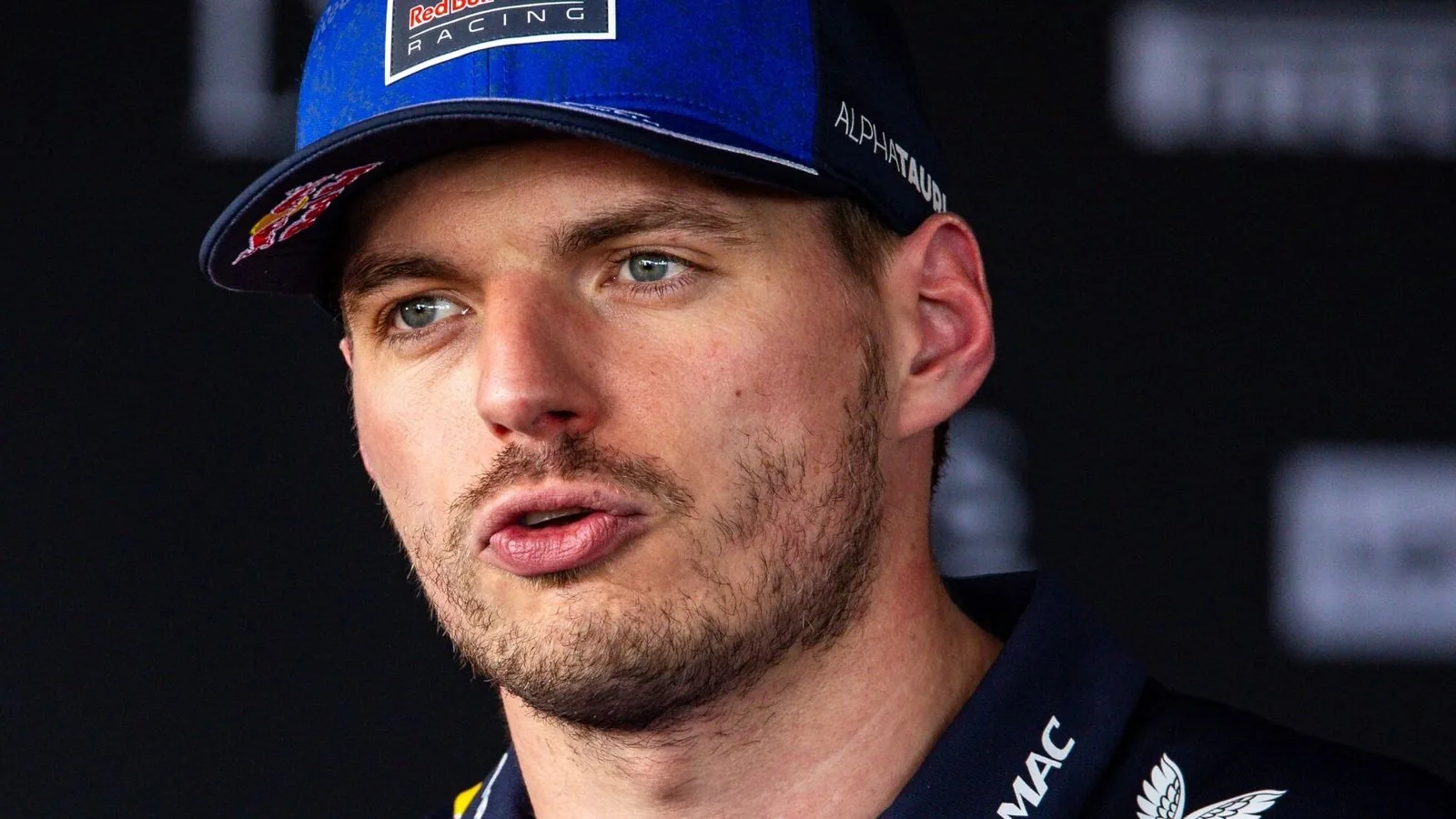
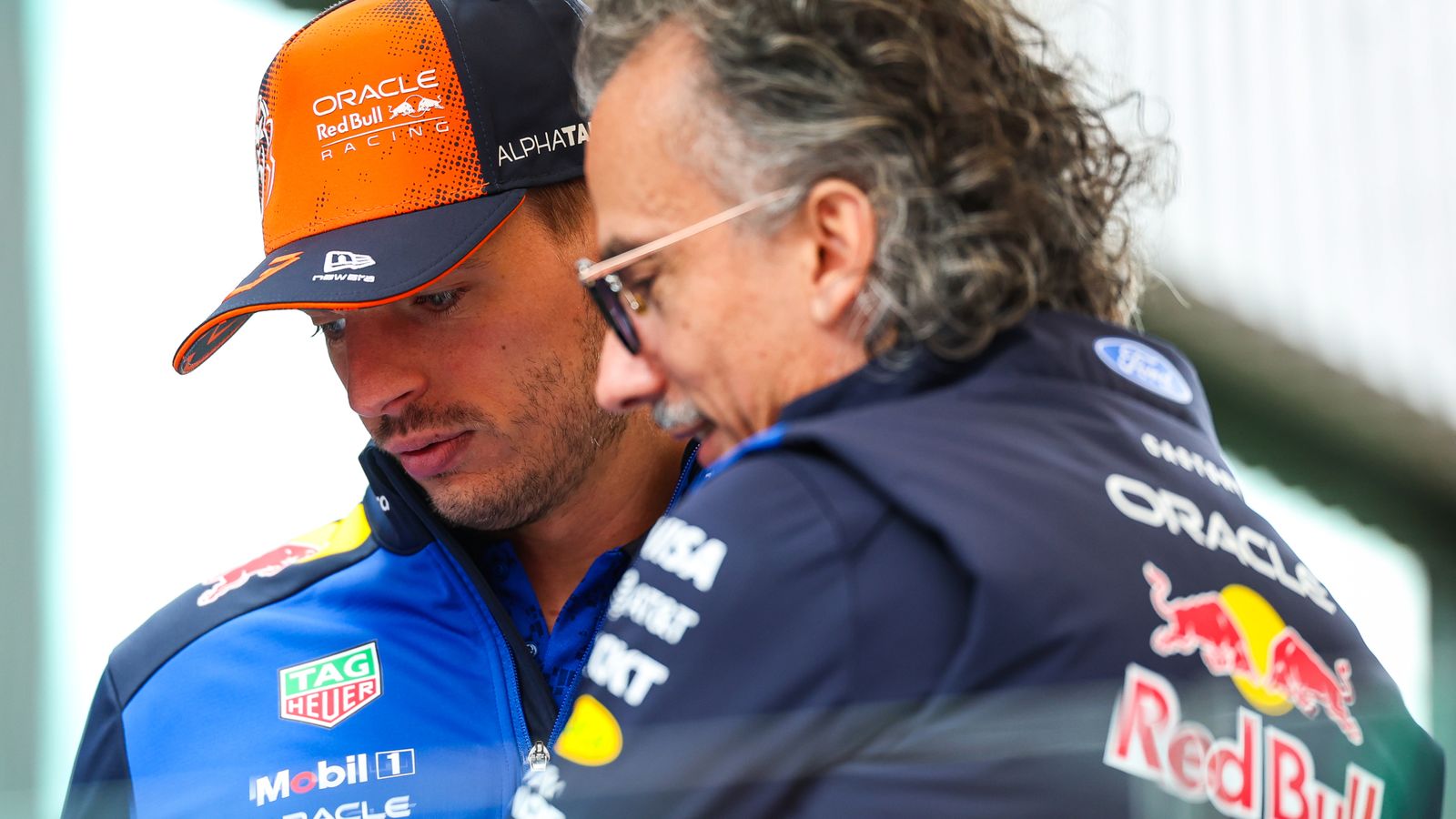
Red Bull Racing is fielding incoming enquiries from rival drivers across the paddock while focusing its engineering pipeline on finding the final two to three tenths of a second required to retain Max Verstappen, according to team principal Laurent Mekies.
Verstappen's contract with Red Bull runs through the end of 2028, but the deal contains exit clauses that permit him to depart at the end of the current campaign. The Dutchman reportedly has until October to formally notify the team if he intends to trigger a contractual release.
With rival cockpits at McLaren locked down under Lando Norris and Oscar Piastri, and driver lineups at Mercedes and Ferrari also contracted, external landing spots remain limited. However, market movement remains active on both sides of the Red Bull garage.

"It's completely natural Max gets called from everyone because he's the best driver in the world and, equally, if you are a top team, you are going to get calls from many of these good drivers around as well," Mekies told Sky Sports F1. "The full focus is to get that car as fast as it can, then you will keep your best driver in the world."
Closing the Performance Delta on the RB22
Red Bull's retention pitch rests entirely on mechanical and aerodynamic recovery. The team opened the new regulatory era with an initial lap-time deficit exceeding one second per lap, driven by a prolonged championship push last season and the integration of a new power unit architecture.
An aerodynamic package introduced at the Austrian Grand Prix narrowed the performance window. Over the subsequent three-event stretch, the RB22 demonstrated the following trajectory:
- Austrian Grand Prix upgrade: Delivered an estimated seven-tenths load recovery, cutting the raw single-lap delta down to 0.2 to 0.3 seconds from the front-running benchmark.
- Podium conversion: Verstappen converted the updated floor and bodywork package into two podiums across three rounds, interrupted by a rear-wing structural failure and late spin at Silverstone.
- Second car telemetry: Isack Hadjar extended a sequence of six consecutive top-six finishes, advancing from 21st on the grid to finish sixth at the Belgian Grand Prix.
Structural Transition Ahead of Hungary
The driver market discussions coincide with internal engineering departures. Verstappen’s long-standing race engineer, Gianpiero Lambiase, is scheduled to depart for McLaren no later than 2028, following a series of technical staff exits over the past two seasons.
Mekies maintains that internal personnel transitions will not determine Verstappen's trajectory if the chassis delivers competitive downforce levels and race pace heading into the Hungarian Grand Prix.
"It's more simple than what it seems, because ultimately it's only about speed," Mekies said. "We were more than a second away and we are now talking about the last two or three tenths for ultimate pace. The best way to close the subject is to go and get these last two or three tenths, and that's what everyone is focused on."