Reporting note: this article draws on Sky Sports; Score808 Live provides the summary and editorial framing.
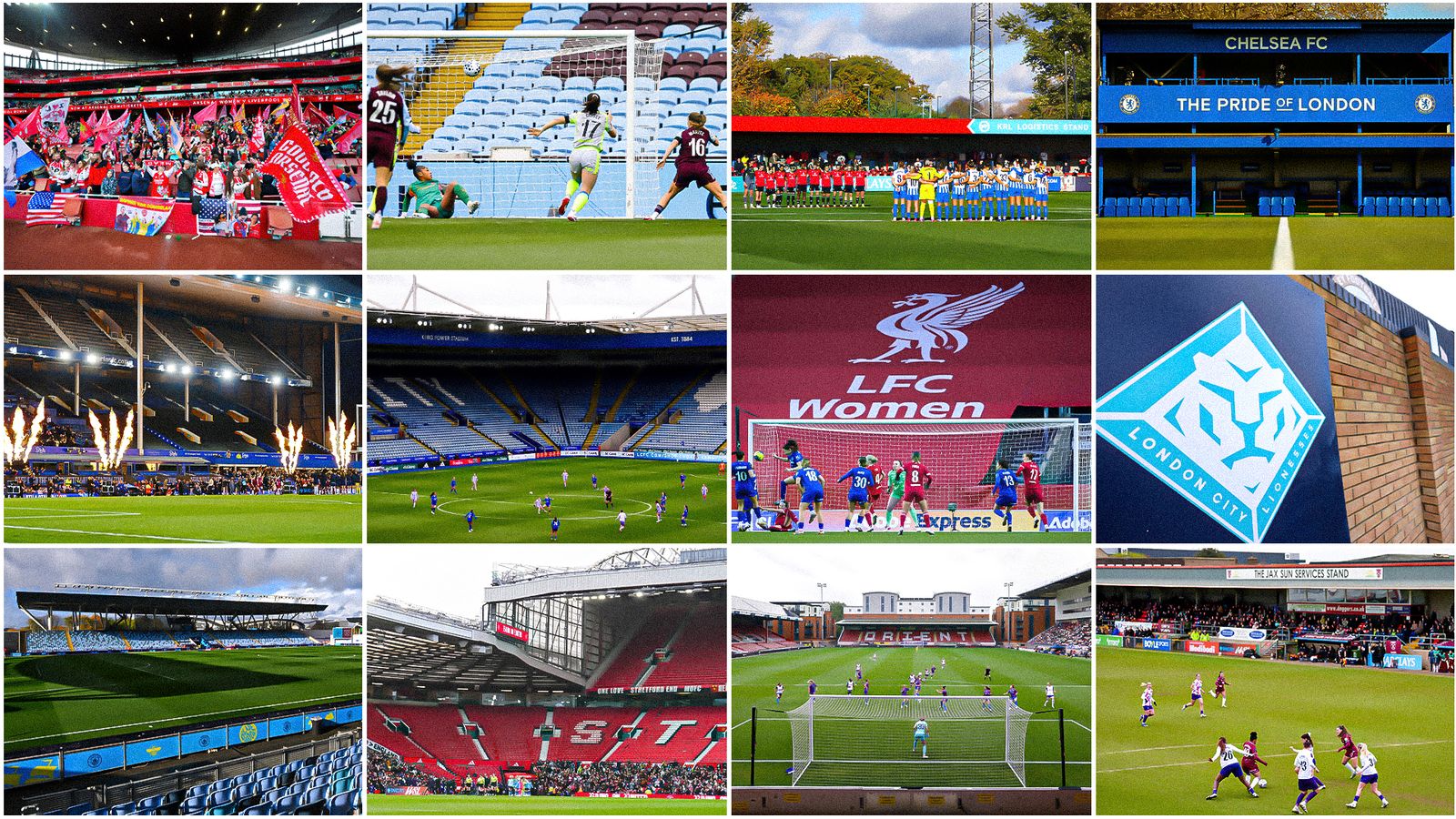
The Strategic Divide in WSL Stadium Infrastructure
The Women's Super League (WSL) faces a pivotal operational dilemma: balancing the commercial ambition of filling Premier League-sized arenas against the competitive necessity of maintaining genuine home advantage. While moving marquee fixtures to 40,000-plus capacity grounds expands brand exposure, the disparity in acoustic pressure and crowd density across the league has created measurable performance gaps on the pitch.
Arsenal and Chelsea have led the transition toward permanent residencies at primary club venues. Arsenal now host all WSL fixtures at Emirates Stadium alongside Champions League knockout matches, retaining Meadow Park in Borehamwood primarily for domestic cup ties and group-stage ties. The Gunners lead the league in commercial matchday reach, averaging over 33,000 spectators per game. Chelsea have committed to moving all WSL fixtures to Stamford Bridge beginning in the 2026/27 season, stepping away from Kingsmeadow after sharing arrangements with AFC Wimbledon at Plough Lane for cup fixtures.
The Performance Divide: Full Capacity vs. Cavernous Arenas
Competitive form across the WSL table highlights the stark contrast between tightly enclosed grounds and under-filled major stadiums:

- Manchester City: Head of Women's and Girls Football Hannah Dingley has prioritized retaining the Joie Stadium to maintain an intense matchday environment rather than risking cavernous fixtures at the Etihad Stadium. City recorded the highest home points-per-game average in the league en route to securing their first WSL title in a decade.
- Chelsea: At Kingsmeadow since 2017/18, Chelsea posted an 86.3% win rate (P80, W69, D6, L5, averaging 2.7 points per game). In their 15 WSL appearances at Stamford Bridge, they recorded an 86.7% win rate (P15, W13, D1, L1, averaging 2.7 points per game).
- Aston Villa & Leicester City: Playing at Villa Park and the King Power Stadium respectively, both clubs ranked among the league's lowest in home points-per-game. When crowds of 1,000 to 3,000 are dispersed across large multi-tier stands, acoustic containment collapses, diluting the psychological pressure exerted on visiting sides.
Operational Constraints and Lease Dynamics
For several clubs, stadium migration is governed by rigid third-party lease arrangements rather than pure sporting ambition:
- West Ham United: The club has not played at London Stadium since 2019 due to the venue's concession agreement, which only covers men's matches and select youth ties. Hosting the women's team requires a significant operational fee that exceeds the current budget, keeping them based at Chigwell Construction Stadium.
- London City Lionesses: Operating without an affiliated men's club stadium, London City experienced friction in March when fixture congestion forced their home clash against Chelsea from Bromley to The Den, prompting backlash from Millwall Lionesses supporters over historic territorial tensions.
- Multi-Sport Groundshares: Manchester United and Liverpool continue to share facilities with rugby teams, while Brighton, Tottenham, and London City rely on lower-league football facilities.
Tactical Implications of Shifting Venues
Frequent switches between compact training bases and vast primary grounds introduce distinct tactical challenges. Pitch dimensions and dugout proximities alter sideline management; Arsenal head coach Renée Slegers and Tottenham manager Martin Ho noted that tighter facilities like Meadow Park allow direct communication between the bench and players, whereas larger arenas require increased player self-organization to maintain defensive containment and structural discipline amid wider open spaces.