Reporting note: this article draws on Sky Sports; Score808 Live provides the summary and editorial framing.
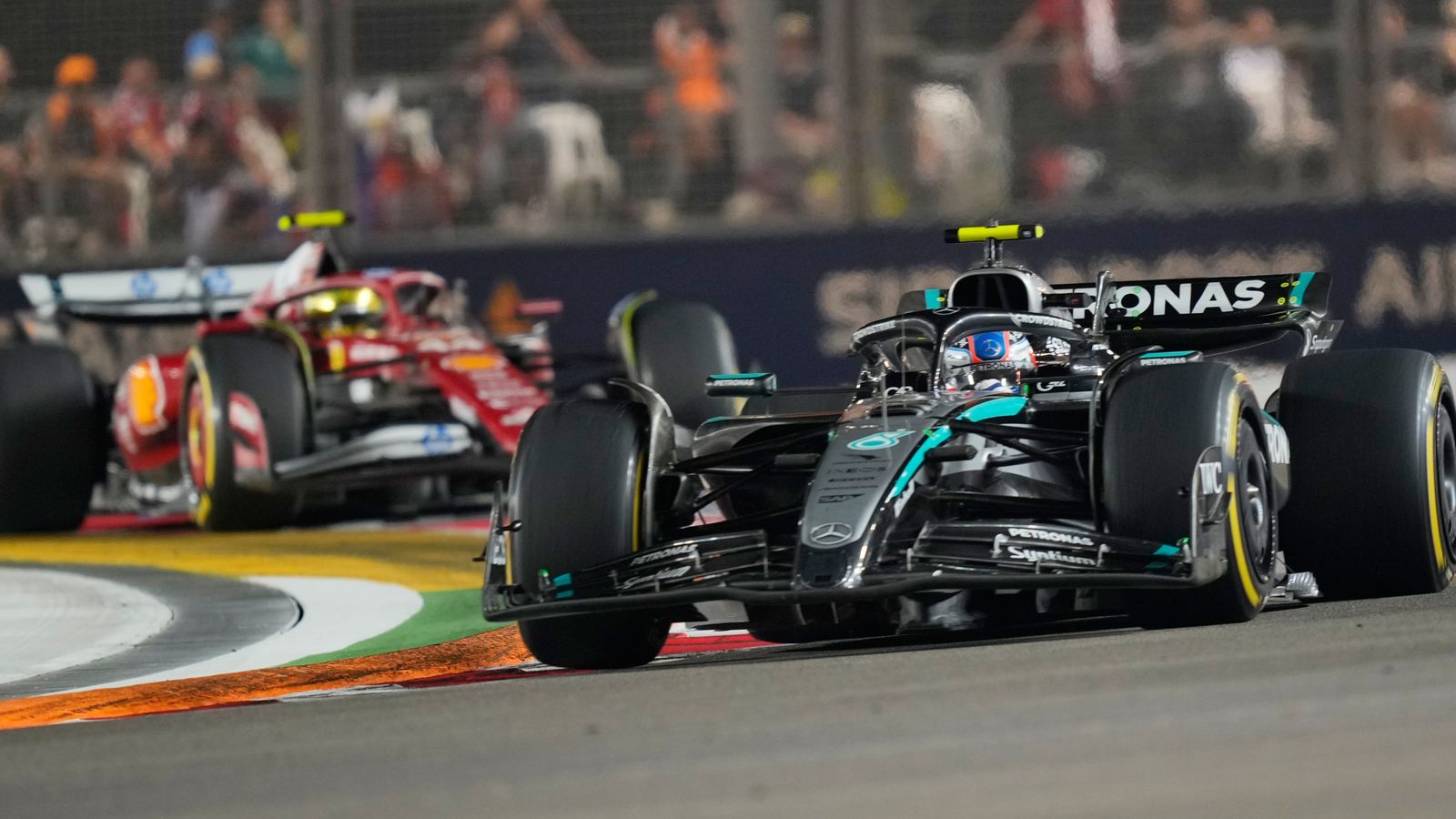
Sprint Format Lands on Marina Bay's Unforgiving Streets
Formula 1 concludes its 2026 flyaway triple-header with the season's sixth and final Sprint weekend, deploying the condensed format at the Singapore Grand Prix for the first time. Marina Bay—a 19-corner labyrinth boxed by concrete and defined by ambient humidity, hot brake dust, and zero margin for error—presents a structural contradiction for the 100-kilometer dash. Unlike wide, high-speed Sprint venues such as Interlagos or Silverstone, Singapore offers scarce passing real estate. Yet the format's compressed schedule injects severe mechanical and strategic volatility across the paddock.
The weekend's operational burden is steep: teams receive just a single 60-minute practice session instead of the traditional three. That sole session occurs at 4:30 p.m. local time under afternoon heat, whereas Sprint Qualifying takes place at 8:30 p.m. under artificial floodlights and cooler track temperatures. Because Parc Fermé conditions restrict suspension geometry and ride-height modifications once competitive running starts, engineers face an immediate blind spot when mapping out mechanical grip and tyre operating windows.
The Double-Qualifying Hazard and the 2027 Precedent
Marina Bay grid positions are historically decisive. With two separate qualifying sessions—Sprint Qualifying on Friday and Grand Prix Qualifying on Saturday—drivers face double the exposure to the barriers along the harbor (an urban circuit flanked by colossal grandstands and the distinctive, geometric steel of the Singapore Flyer). A single clipped apex or snap of oversteer will derail entire weekends before Sunday's 62-lap main race even begins.

This weekend also serves as a crucial trial run for 2027, when Formula 1 expands the Sprint schedule to 10 events and introduces the format to Monaco. Both venues share narrow profiles that traditionally punish wheel-to-wheel overtaking. If the Marina Bay format generates genuine strategic jeopardy through tyre degradation and qualifying pressure rather than a processional sprint, the commercial and technical case for street-circuit Sprints will solidify.
Four-Way Mechanical Parity at the Front
On-track performance across the front-runners remains tightly compressed, with all four top constructors holding victories in the current technical cycle:
- Red Bull Racing: Fresh off Max Verstappen's commanding victory in Malaysia, Red Bull arrives hunting Verstappen's first career win in Singapore at his 10th attempt. Verstappen has finished second here in the past two editions.
- Mercedes: Championship leader Kimi Antonelli carries the team's primary hopes into Sunday. Mercedes must confirm why their Malaysia aerodynamic package underperformed, while George Russell faces an engine penalty dropping him to the back of the Grand Prix grid—though his penalty does not apply to Saturday's Sprint.
- McLaren: Strong on high-downforce layouts like Hungary and Zandvoort with Lando Norris, the team needs an operational rebound after muted showings across Azerbaijan and Malaysia.
- Ferrari: Lewis Hamilton and Charles Leclerc possess strong mechanical baseline performance in low-to-medium speed changes of direction, with the absence of long straights playing directly to the car's traction strengths.