

Congressional Inquiry Targets FIFA-Trump Ties
Jamie Raskin, the ranking Democrat on the House Judiciary Committee, has initiated a formal investigation into FIFA President Gianni Infantino. The inquiry seeks to uncover the nature of the relationship between soccer’s global governing body and former U.S. President Donald Trump, including potential financial exchanges and political influence exerted during the FIFA World Cup 2026™.
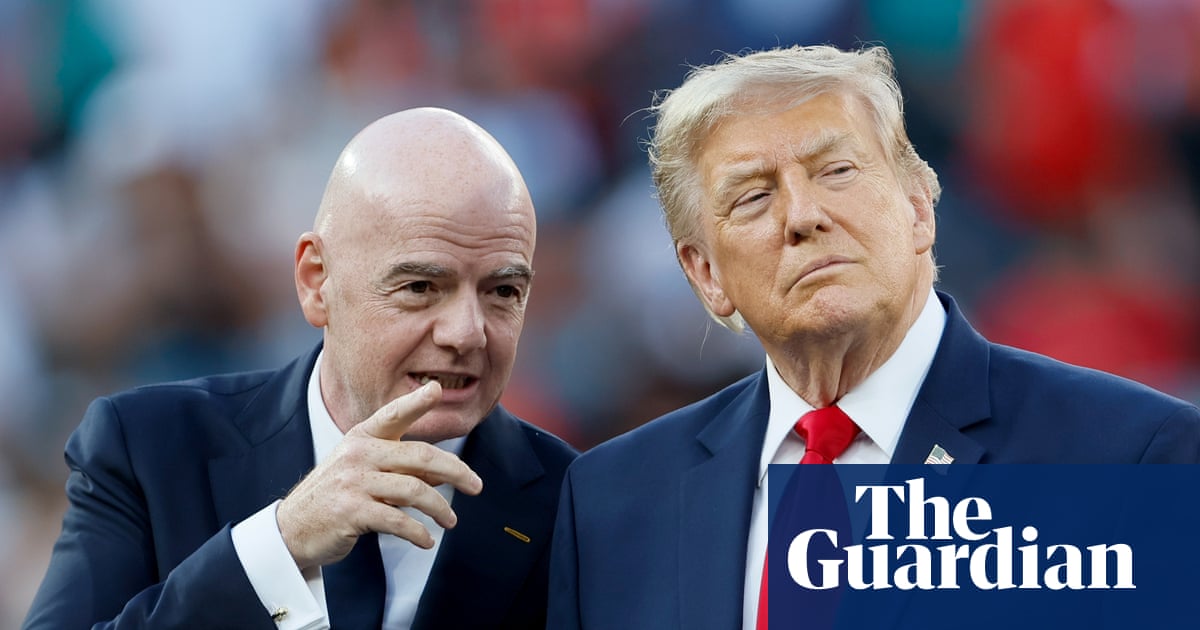
In a letter dated Sunday, Raskin requested that Infantino provide documentation regarding gifts, payments, or benefits provided to Trump and his associates. The committee is also demanding access to visitor logs for FIFA’s office in Trump Tower, which was established in midtown Manhattan last July. Additionally, Raskin has called for Infantino to sit for a transcribed interview by August 9.
Allegations of Political Interference
The investigation centers on several high-profile incidents that occurred during the tournament. Raskin’s letter highlights the reversal of a red-card suspension for U.S. striker Folarin Balogun, which allegedly followed direct lobbying from Trump to Infantino. This intervention drew significant criticism from international football associations, with the Norwegian football federation reportedly planning to file a formal complaint with the FIFA ethics committee.
Furthermore, the committee is examining the "FIFA peace prize" awarded to Trump at the Kennedy Center, as well as the broader "quid pro quo" dynamics that Raskin alleges allowed FIFA to engage in aggressive dynamic pricing for tournament tickets. These ticketing policies are already the subject of separate investigations by multiple U.S. attorneys general.
The Texture of the Pitch and Political Friction
The atmosphere surrounding the final at the New York New Jersey Stadium was thick with a palpable, discordant tension. The turf, a hybrid of reinforced natural fibers and synthetic polymers, felt unnervingly uniform underfoot—a sterile, engineered carpet that lacked the chaotic, earthy scent of traditional soil. It smelled faintly of ozone and industrial rubber, a sharp, chemical tang that clung to the boots of the midfielders as they navigated the center circle, their movements precise but devoid of the organic unpredictability that defines the sport’s heritage.
Next Steps and Legislative Limitations
While the investigation marks a significant escalation in oversight, Raskin currently lacks the subpoena power to compel Infantino’s cooperation, as Democrats do not hold the House majority. Infantino has publicly dismissed the criticism, utilizing a 15-part Instagram statement to characterize his detractors as spreaders of "false narratives" while defending the commercial success of the tournament.
As FIFA looks toward future hosting cycles, including the 2031 Women’s World Cup and potential bids for the 2038 men’s tournament, the outcome of this inquiry may influence the organization's standing with U.S. regulators. The committee’s deadline for the requested documents is set for August 9.


